LOGIN
CONTACTS
- MAIL - info@bridgelogistica.it
- SALES TEL. - +39 351 559 4963
- SUPPORT TEL. - +39 351 553 7151
- VAT No. - +39 351 553 7151

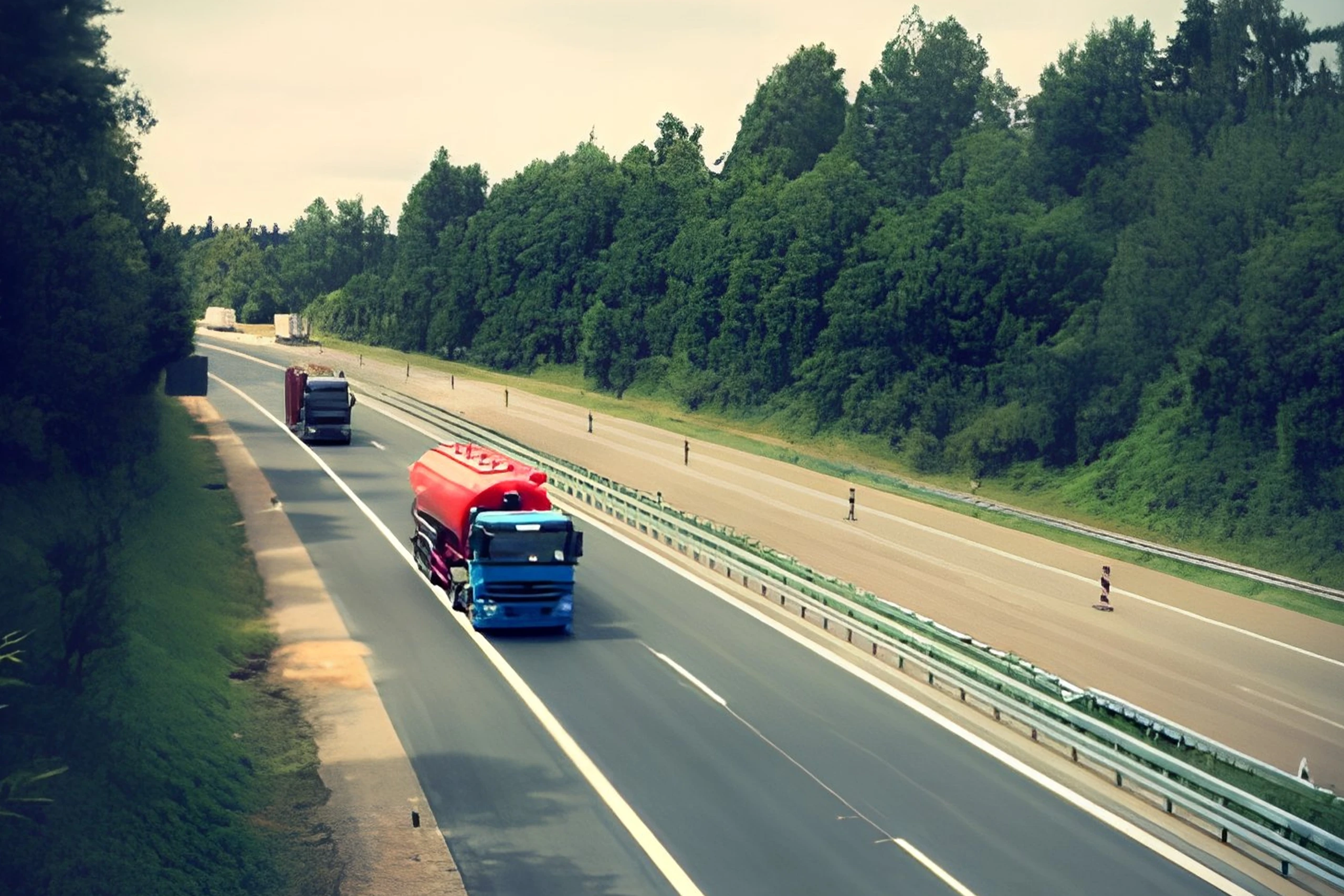
In recent years, the logistics sector — and in particular road transport — has been under pressure due to the high costs of fleet management, an ever-growing demand for fast and low-cost transport, and a worrying shortage of drivers.
Owned Fleet
In many industries, manufacturing companies have chosen to maintain their own transport vehicles to ensure a safe and reliable method of delivering goods to customers.
A company that manages its own fleet must internally possess the human capital and know-how required for supply chain management, driver coordination, vehicle maintenance, and operations.
The main advantages of a private fleet are:
However, a private fleet also comes with significant drawbacks. Beyond the high costs of vehicle purchase and maintenance, managing an in-house fleet requires establishing a logistics department capable of handling route planning and optimization. Considering also the need to hire drivers and cover transport insurance, maintaining a company-owned fleet often proves economically inefficient.
Outsourced Fleet
While it’s possible to outsource only specific logistics functions, most companies choose to externalize their entire transport service.
The know-how of transport companies allows them to offer a complete, efficient, and competitive service that, in most cases, aligns with manufacturers’ needs.
BRIDGE supports businesses in managing their road transport operations. The BRIDGE Team’s expertise ensures a flexible, efficient, and fully tailored service.




The BRIDGE S.R.L. project, also made possible through the support of the Emilia-Romagna Regional Programme ERDF 2021–2027, is aimed at the evolution of logistics management: from process digitalization towards an intelligent automation model based on Industry 4.0 technologies. The initiative seeks to optimize the supply chain and administrative activities through the integration of Artificial Intelligence, Cloud Computing, and Big Data, with the objective of making logistics flows more efficient, scalable, and sustainable. The main expected results include the reduction of empty trips (green logistics), the automated generation of quotations, and greater operational capacity in international markets.